$200 Billion Capital Entry: Perspective on the New Landscape of Vietnam’s Core Industries
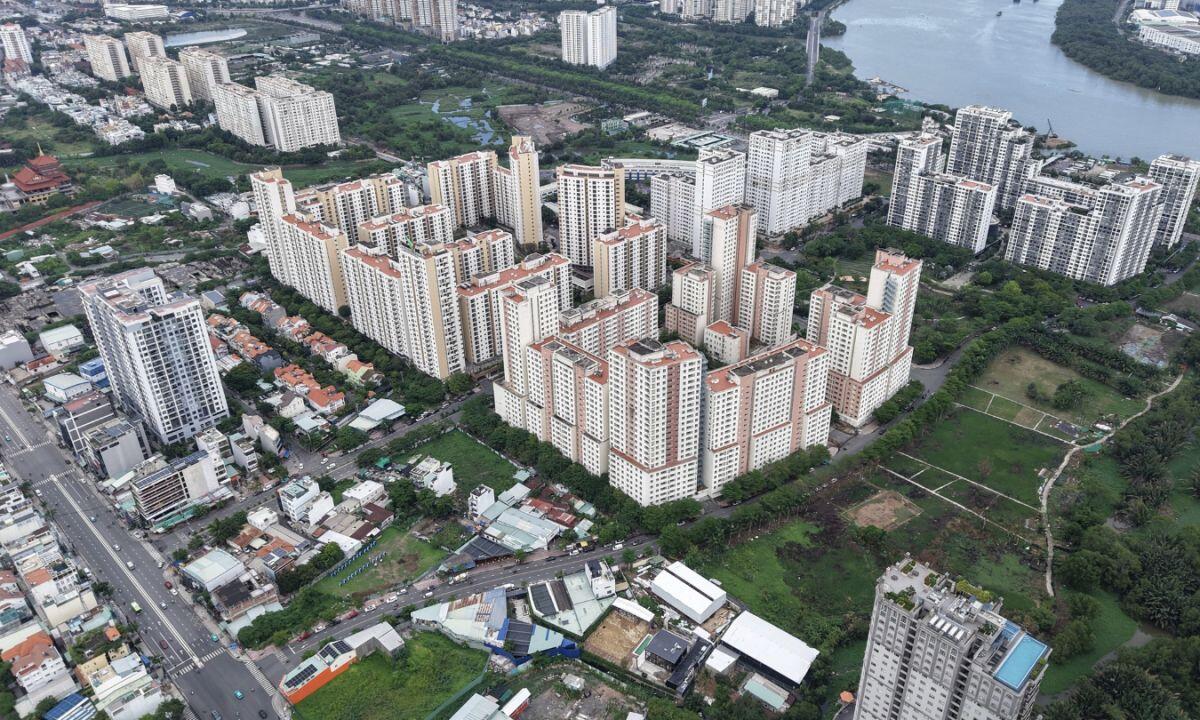
Vietnam’s domestic private capital is gradually moving to the core of the economic stage. Recently, six private groups plan to inject nearly $200 billion into infrastructure and core industries. At the same time, the real estate market has also ushered in intensive capital restructuring and large-scale mergers and acquisitions. This concentrated influx of capital not only demonstrates the financial strength of domestic enterprises but also indicates that related industries are about to enter a new cycle of stock integration and expansion.
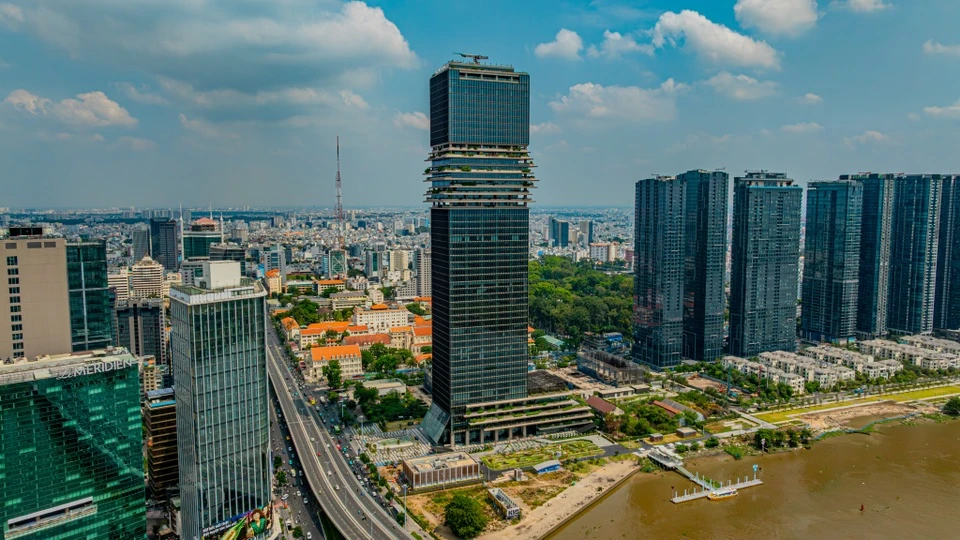
Image source: https://znews.vn/
Massive Capital Entry: Private Conglomerates Driving Mega Projects
Vietnam’s domestic private conglomerates are showing a stronger willingness to invest. The latest statistics show that six domestic private groups are advancing 40 major projects. This fund of approximately $200 billion will comprehensively cover real estate, transportation hubs, and industrial parks. It should be noted that this does not yet include the construction of urban subway networks that partially use state funds.
In the investment tier, Vingroup ranks at the forefront with a massive capital scale, advancing more than a dozen mega projects. Sunshine Group and Sun Group follow closely behind, focusing their funds on high-end real estate and infrastructure. Enterprises such as Thaco and Hòa Phát Group are also increasing their investments. Private capital is becoming an important force in driving the country’s mega projects.
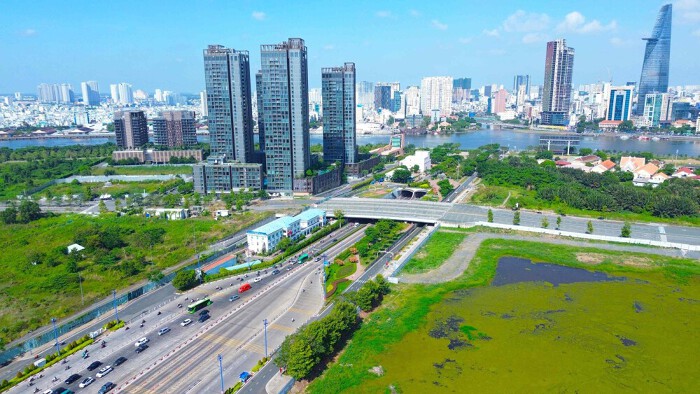
Image source: https://vietnambiz.vn/
Capital Flow: Deep Integration of Real Estate and Infrastructure
Real estate remains the main battleground for absorbing capital. Vingroup is expected to invest heavily in real estate projects. Sunshine Group and the Thaco consortium also plan to inject massive amounts of capital into this field. In addition to traditional residential and commercial development, the reach of private enterprises is extending to large-scale transportation networks.
Vingroup plans to use part of its funds for high-speed railway projects while actively establishing a presence in the energy and steel industries. In terms of aviation and highway construction, Masterise and Sun Group are advancing investments in airport projects. Furthermore, Sun Group also plans to participate in highway construction, while Masterise is setting out to develop large-scale bridge engineering projects.

Image source: https://vnexpress.net/
Market Reshuffling: Domestic Enterprises Leading the Real Estate M&A Wave
Along with the advancement of large-scale projects, the real estate market is undergoing deep mergers, acquisitions, and restructuring. In the first half of this year, multiple large-scale M&A transactions emerged in the market, primarily initiated by domestic enterprises. The residential sector remains the largest destination for capital flow, accounting for the vast majority of the transaction volume.
In core cities, large projects frequently undergo equity changes. Phát Đạt Real Estate has officially acquired a stake in the Eco Smart City project in Ho Chi Minh City and will participate in developing residential and commercial high-rises. Simultaneously, Phát Đạt has also transferred a high-rise building project in Binh Duong province to Japan’s Mitsubishi Group. Another domestic enterprise, Sunshine Group, is showing strong expansion intentions, planning to invest heavily in acquiring multiple industrial clusters and land use rights in Hanoi and Dong Nai provinces.
Additionally, Khang Điền Group has also approved a high-proportion equity acquisition targeting specific real estate development companies. Although some enterprises, such as DIC Corp, had planned to jointly establish a new company with other investors to develop a new urban area in Thai Nguyen province, they have recently adjusted their strategies and withdrawn their capital contributions. The transfer of such massive volumes of capital reflects that industry resources are accelerating their concentration toward top-tier enterprises.

Rendering of Lotte’s Eco-Smart City project. Image source: Phat Dat Real Estate.
Segment Expansion: Precise Positioning in Industrial and Hospitality Sectors
Beyond the residential market, foreign and domestic capital are also seeking opportunities in the industrial and commercial real estate sectors. Japanese investment institutions, teaming up with Vietnamese domestic capital, have completed tens of millions of dollars’ worth of land acquisitions around Ho Chi Minh City. In the southern market, several well-known apartment projects have also smoothly completed the handover of developers.
M&A activities in industrial real estate appear more cautious and clearly targeted. Vietnam Container Shipping Joint Stock Corporation (Viconship) spent approximately $34.7 million to successfully acquire a 65% controlling stake in Harbour City Limited Liability Company. The acquired entity is currently advancing an industrial real estate project in the new urban area of Cát Bi Airport in Hai Phong.
Capital operations in the hotel and resort sector were equally a highlight in the first half of the year. The Singaporean private equity fund SC Capital Partners successfully completed the acquisition of Serenity Holding. Through this transaction, the foreign institution officially took over the operational network of Fusion Hotel Group, a well-known premium resort brand in Vietnam. The active performance in these segmented fields further enriches the integration dimensions of the capital market.
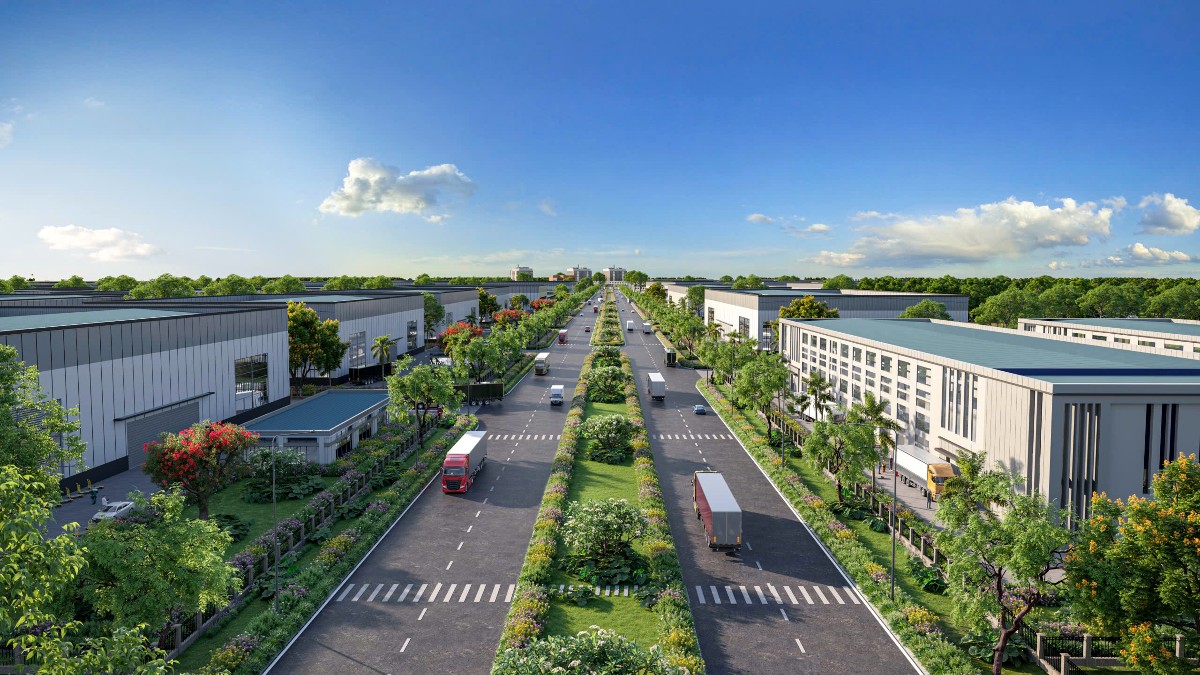
Image source: https://vneconomy.vn/
Investment Shift: Bidding Farewell to Speculation, Embracing Certainty
Capital is gradually flowing toward projects with high transparency, complete infrastructure, and those led by high-quality developers. The traditional model relying on the rapid appreciation of assets is cooling down. Investment institutions nowadays place greater value on stable cash flow guarantees, the long-term quality of assets, and sustainable operational efficiency. However, the psychological gap in asset valuation between buyers and sellers remains the primary barrier hindering the completion of some transactions at present. Moreover, the remaining land use term of projects has also become a crucial consideration factor for foreign investment decisions.
Chain Reaction: The Banking Industry Faces Credit Opportunities and Challenges
The investment boom in the private sector will have a direct impact on the national financial system. Securities analysis institutions predict that by 2027, the banking industry is expected to become the primary beneficiary of this wave of capital flow. To advance mega projects, large private enterprises have demonstrated an extremely strong willingness to finance. Not only are their loan scales massive, but they can also accept higher interest rate levels. This strong demand for funds from top-tier enterprises will significantly drive the expansion of the overall credit scale.
However, the concentration of massive funds into a few top groups and specific projects will inevitably lead to an increase in credit concentration risks. This requires financial institutions to strictly control asset approval standards, effectively preventing risks while releasing liquidity.
Want to discuss investment opportunities or related topics in Vietnam? Please contact us:
Tel: +(886) 095 807 2379
Line: vnlandnote
WeChat: vnlandnote
For more updates and insights about Vietnam, please follow us:
Facebook: www.facebook.com/vnlandnote/
WeChat Official Account: hcmc101