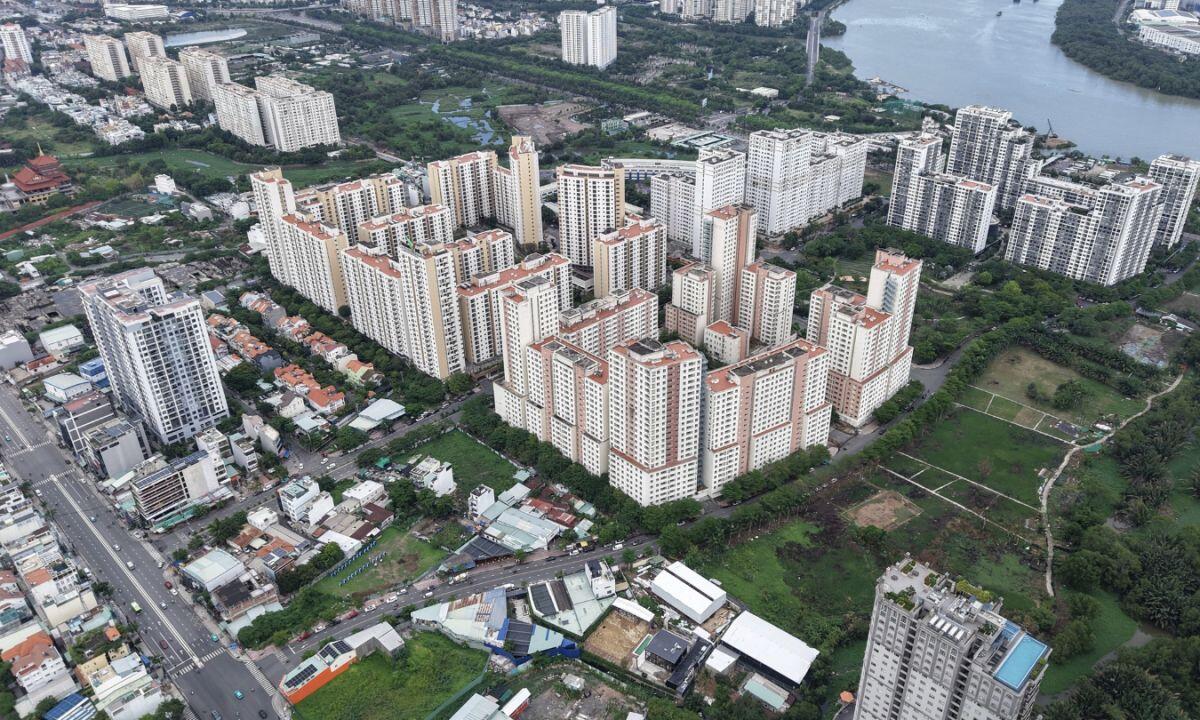
Vietnam’s GDP Forecast Raised to 8%, Exports and Imports Nearing US$1 Trillion: How Far Can This Growth Go?
Vietnam’s economic data this year has hit another new high. In the first eight months of 2026, the country’s total import-export turnover reached US$770.14 billion, up 28.7% year‑on‑year—not only a record for the same period but also, at the current pace, likely to exceed US$1.1 trillion for the full year.
Alongside this foreign trade surge, the International Monetary Fund (IMF) has raised Vietnam’s GDP growth forecast for 2026 from 7.1% to 8.2%. Taken together, these two figures show that foreign trade and manufacturing remain crucial pillars of Vietnam’s economic growth this year.
US$770 Billion in 8 Months, Possibly US$1.1 Trillion for the Full Year
In the first eight months, Vietnam exported about US$374.84 billion and imported about US$395.3 billion, totalling US$770.14 billion. Looking at August alone, monthly trade approached US$110 billion, a year‑on‑year increase of 31.7%. At this rate, Vietnam may reach the US$1 trillion annual trade milestone in just over two months.
If the full year indeed reaches around US$1.1 trillion, it would represent another very large step up in just one year. In 2025, Vietnam’s annual trade was about US$930 billion; reaching US$1.1 trillion this year would be a substantial increase.
However, the simultaneous rise in both exports and imports also points to another phenomenon: this year Vietnam is not simply being driven by exports alone. In the first eight months, imports grew by 35%, outpacing the 22% growth in exports, resulting in a trade deficit of US$20.46 billion, compared with a surplus of US$14.02 billion in the same period last year.

US$770 billion in eight months, only about two and a half months away from US$1 trillion. Source: https://znews.vn/
Rising Imports Also Show That Vietnam’s Factories Are Operating at Full Speed
Imports growing faster than exports may not sound like good news on the surface, but viewed within this year’s industrial structure, it offers another perspective. In the first eight months, over 94% of Vietnam’s imports were production materials, amounting to US$372.04 billion.
These products include machinery, equipment, raw materials, and components for production. In other words, much of what Vietnam imports is not for consumption but for processing into export goods.
This aligns closely with the performance of the electronics industry. In the first eight months, exports of computers, electronic products, and components, together with mobile phones and their components, approached US$150 billion, of which computers, electronics and components alone exceeded US$101 billion. That figure alone accounts for nearly 40% of Vietnam’s total exports in the same period.
Thus, behind this year’s trade numbers is a very typical “imported equipment and components – processed in Vietnam – re‑exported” model. This also explains why Vietnam’s imports are growing rapidly while exports are simultaneously hitting record highs.
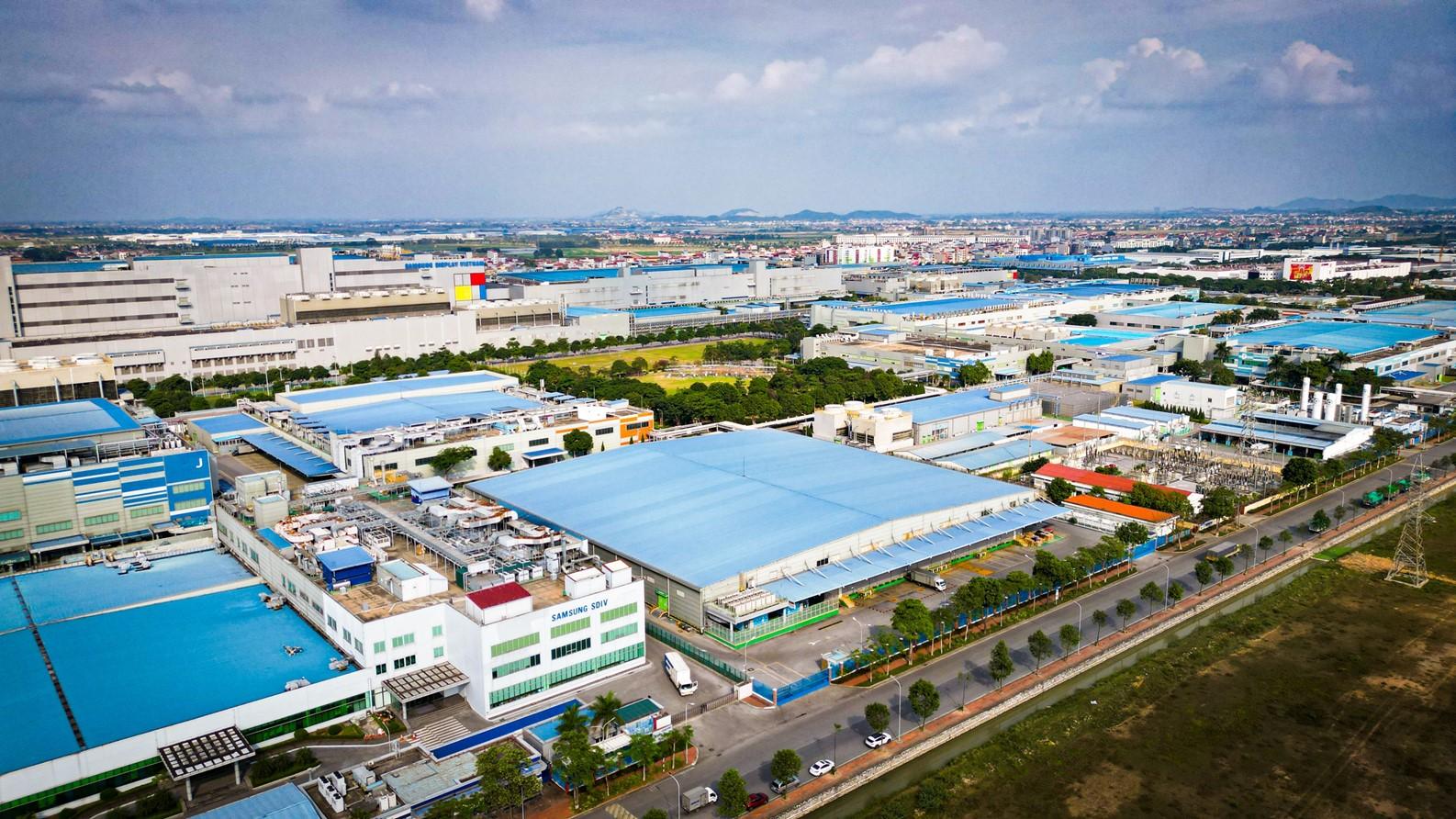
Samsung’s electronics manufacturing base in Bac Ninh – foreign‑invested enterprises continue to drive Vietnam’s electronics exports. Source: https://cafef.vn/
Foreign‑Invested Enterprises Account for 80% of Exports; Domestic Firms Need to Move Up a Level
In the first eight months, foreign‑invested enterprises exported about US$300.4 billion, accounting for roughly 80% of Vietnam’s total exports; domestic enterprises exported about US$74.5 billion, or about 20%. At the same time, domestic enterprises recorded a trade deficit of about US$30.6 billion, while foreign‑invested enterprises had a surplus of about US$10.1 billion. These numbers clearly illustrate the current structure of Vietnam’s foreign trade: Vietnam is deeply integrated into global supply chains, but the export engine remains foreign‑invested manufacturing.
The issue, therefore, is gradually becoming: can Vietnamese enterprises move from “producing for global brands” to “capturing more value themselves”? Today, many local firms have orders, but their profits are not necessarily rising in tandem due to rising costs of raw materials, electricity, labour, and interest rates. In the longer term, it is more important to raise localisation rates, deepen processing, build brands, and develop a more complete domestic supply chain.
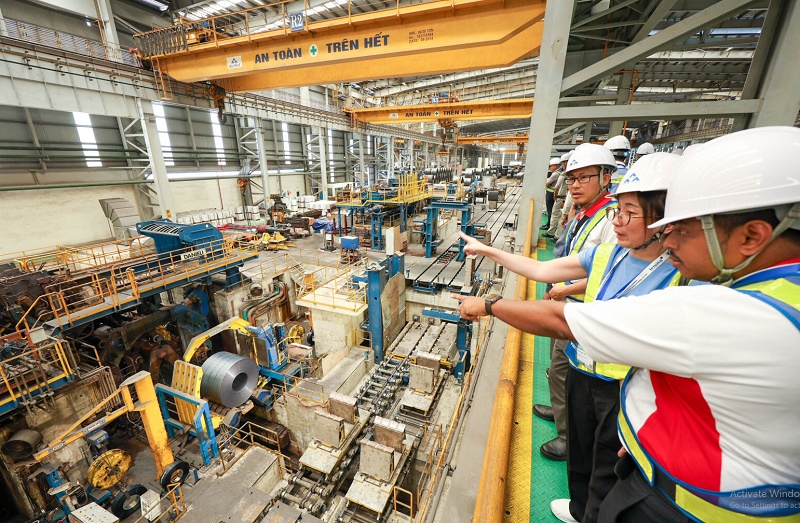
Production floor at a Vietnamese industrial enterprise. Enhancing the supply‑chain capabilities of local firms is a key direction for Vietnam’s next‑stage industrial upgrading. Source: https://baodautu.vn/
Aquatic Products and Wood Products Performed Well, but the Textile Industry Feels Quite Different
This year’s export growth is not solely driven by electronics. Taking aquatic products as an example, the first eight months saw about US$8 billion, up 12% year‑on‑year. The wood industry also exported nearly US$12 billion in the first eight months, up about 6% year‑on‑year.
But the textile industry is less optimistic. This year, its growth is only about 1‑2%, with US inflation, interest rates, and weak consumer demand putting pressure on order prices, while companies also face rising electricity, labour, and other compliance costs. This reminds us that the US$770 billion total is impressive, but the experience across different sectors varies widely.
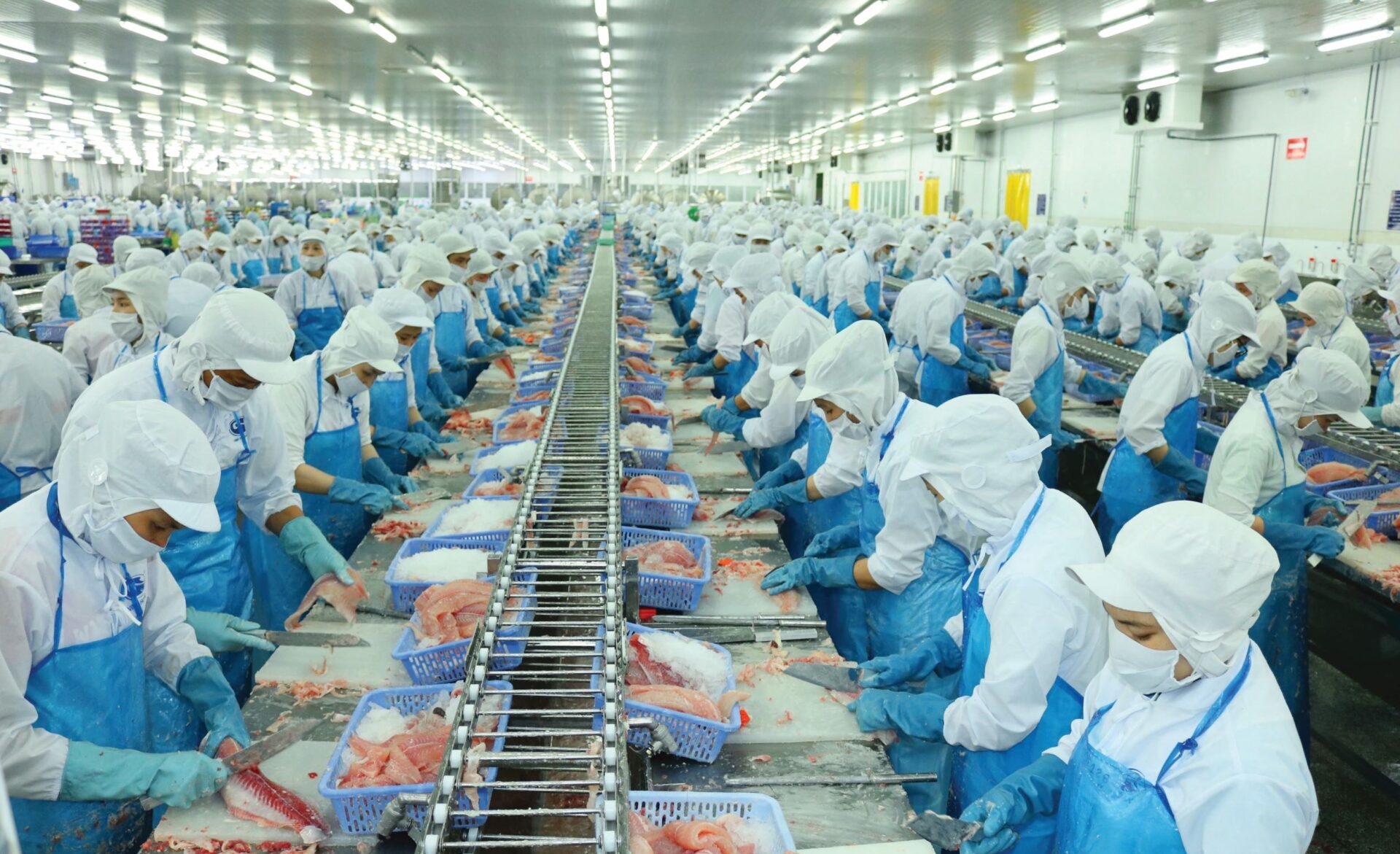
A Vietnamese aquatic processing plant. Aquatic exports have maintained growth and have become an important support for Vietnam’s foreign trade this year. Source: https://forbes.vn/
Finally, Looking Ahead: US$1 Trillion Is a Milestone, but the Real Questions Lie Beyond
The likelihood of Vietnam’s annual import‑export turnover exceeding US$1 trillion this year is growing ever higher, and the IMF has raised its 2026 GDP growth forecast to 8.2%. From foreign trade, FDI, tourism, and public investment, Vietnam’s economy indeed has many bright spots this year.
However, the next stage requires a real focus on whether this growth can translate into more orders, profits, and capabilities for local enterprises. When Vietnam does not simply produce more, but can retain greater value in components, technology, logistics, branding, and services, then US$1 trillion will be more than just a foreign‑trade milestone—it will become a new launching pad for Vietnam’s continued economic ascent.
Want to discuss investment opportunities or related topics in Vietnam? Please contact us:
Tel: +(886) 095 807 2379
Line: vnlandnote
WeChat: vnlandnote
For more updates and insights about Vietnam, please follow us:
Facebook: www.facebook.com/vnlandnote/
WeChat Official Account: hcmc101