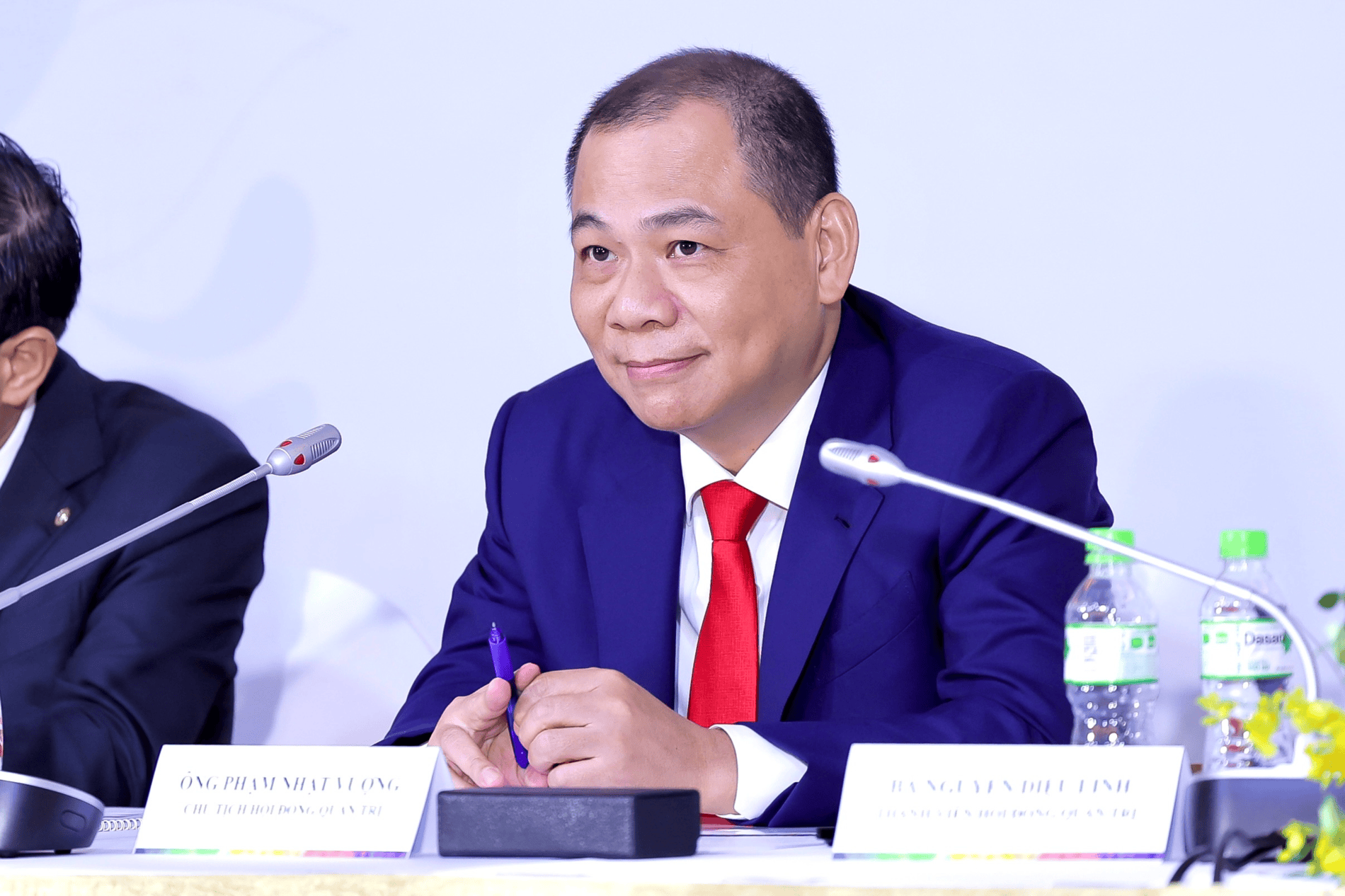
Vietnam Hands Over High-Speed Rail Construction to the Private Sector
Vietnam’s bold attempt of the year may be handing over its national high-speed railway project to private enterprises.
On May 14, Vinspeed, a newly established company under Vingroup—Vietnam’s largest private conglomerate—announced plans to invest in the North-South High-Speed Railway Project.
Vinspeed submitted a proposal to undertake the project as a private initiative, aiming to begin construction by December this year and complete operations across the entire line by December 2030.
If approved, this could reshape the landscape of Vietnam’s infrastructure development.
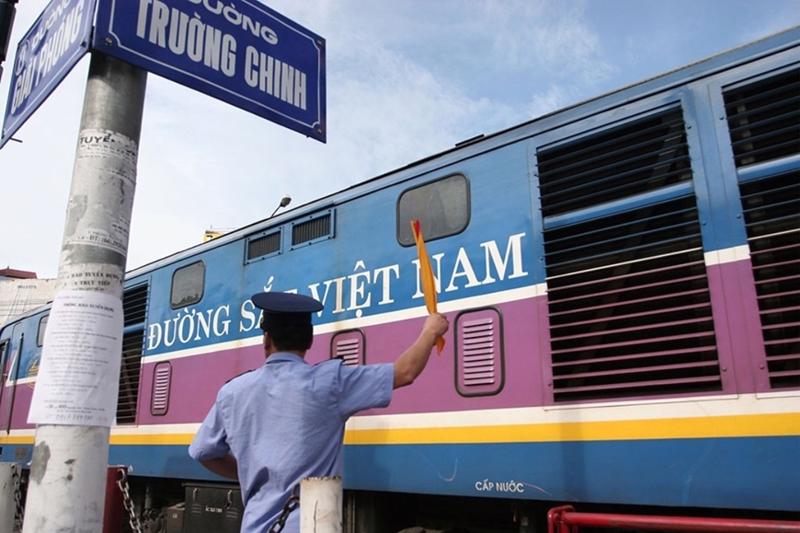
Vietnam Railways Source:vneconomy.vn
01. Vinspeed’s Proposal for the North-South High-Speed Railway
In 2024, the Vietnamese National Assembly approved a plan for the North-South High-Speed Railway with an estimated cost of 1.7 quadrillion VND (approximately USD 67 billion), accounting for around 14% of Vietnam’s 2024 GDP.
Vinspeed, established by Vietnam’s richest man, recently submitted an alternative plan for the railway’s construction. Excluding land clearance costs, the estimated cost is only 1.56 quadrillion VND (approx. USD 61.35 billion).
The key difference: the previous plan involved public investment with the government as the main investor, whereas Vinspeed proposes a private investment model—becoming the investor, manager, operator, and commercial rights holder of the railway.
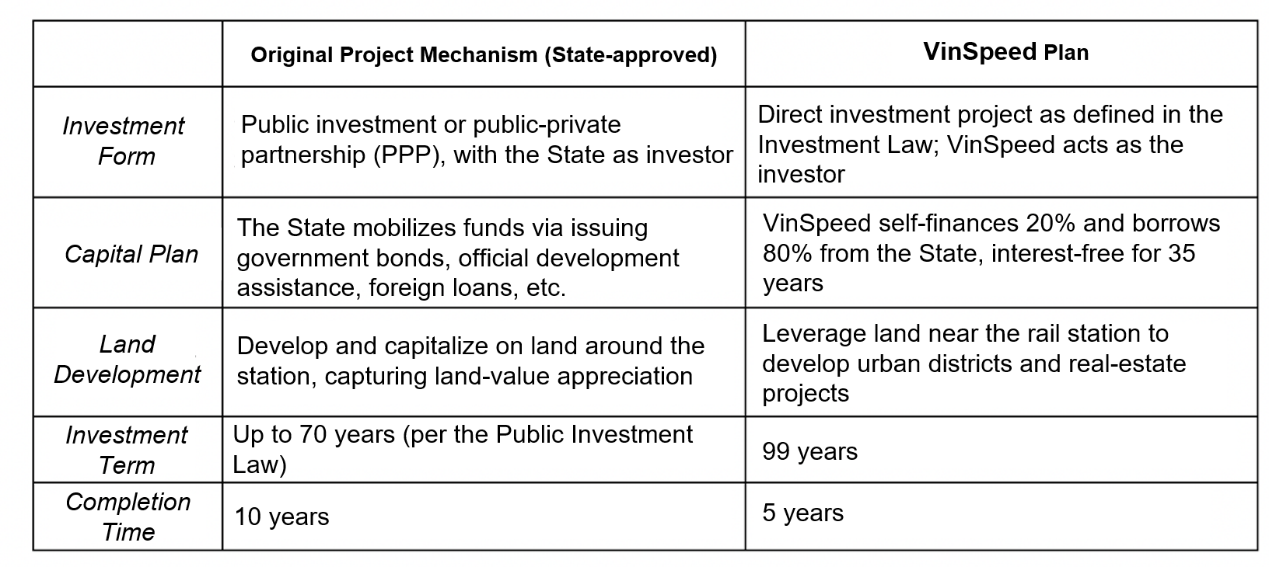
Diagram comparison: Public Investment vs. Vinspeed’s Private Model Source: vnexpress.net
To finance the project, Vinspeed seeks an interest-free loan from the state equivalent to 80% of the total cost (1.25 quadrillion VND, or about USD 49.1 billion) for a term of 35 years. The remaining 20% (312 trillion VND, or about USD 12.2 billion) will be financed by Vinspeed itself.
Under this arrangement, the government provides the loan while Vinspeed shoulders 20% of the capital and all interest costs. The loan is to be repaid in full after 35 years. However, experts estimate the payback period for the project could be up to 70 years.
From Vinspeed’s perspective, the plan helps reduce fiscal pressure on the government, shortens the construction cycle, enables higher commercialization, and achieves greater investment efficiency—benefiting both the state and the public.
On the technical front, Vinspeed is collaborating with companies from China, Germany, and Japan to acquire mature technologies and aims to localize the manufacturing of locomotives, carriages, and signal systems.
In terms of funding strategy, Vinspeed plans to work with Vingroup and Vinhomes to implement a Transit-Oriented Development (TOD) model, promoting urban development along the railway corridor and spurring regional economic growth.
Economists and infrastructure experts in Vietnam view this as a way to empower the private sector to play a leading role in large-scale projects and invigorate the market.
Dr. Le Duy Binh, Director of the Vietnam Institute for Economic and Policy Research, noted that private sector involvement in major infrastructure is a global trend. It enables the mobilization of significant private resources while freeing up state budgets for higher-priority areas such as healthcare, education, and national defense.
Prof. Bùi Xuân Phong, former President of the Vietnam Railway Economic and Transport Association, assessed that private enterprises may complete the project more efficiently and strictly than public entities. Vinspeed claims it can finish the entire railway in five years—half the time estimated by official plans.
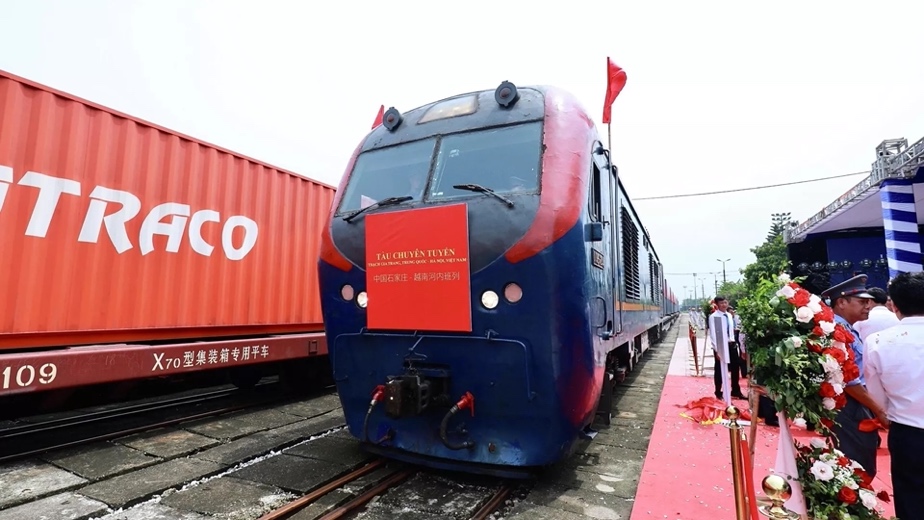
Vietnam-China-Russia railway train Source: BNEWS/TTXVN
Despite this optimism, some transport experts voiced concerns. While private investment has succeeded in projects like Van Don International Airport, a mega-infrastructure project of this scale has never been fully handed over to the private sector. They recommend models like public-private partnerships (PPPs) or appointing private firms as general contractors under government oversight.
Notably, Vinspeed was only registered in early May with a capital of 6 trillion VND (about USD 230 million)—less than 1% of the high-speed rail project’s total estimated investment.
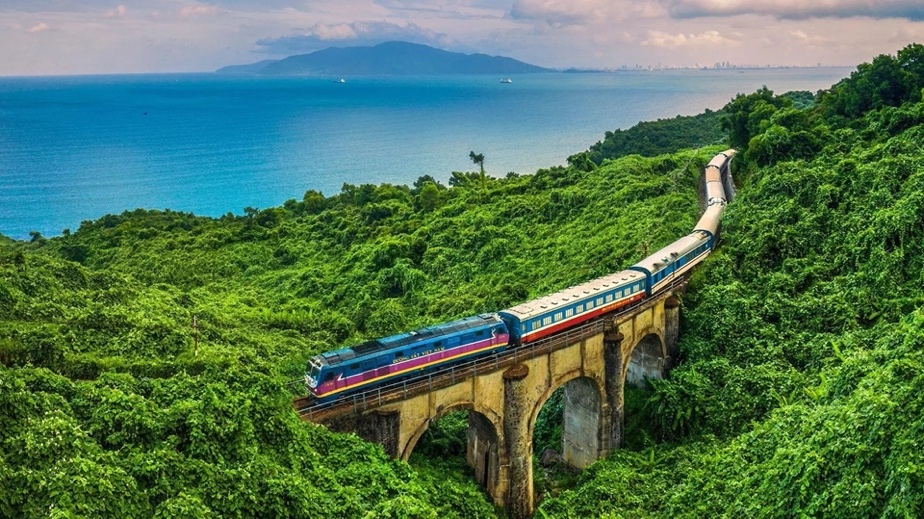
Vietnam’s North-South Railway: A favorite scenic route for international travelers Source: Đường Sắt Việt Nam – Hành trình vạn dặm
For Vingroup, the ambition behind securing the high-speed rail project lies in real estate development along the route. Vinspeed’s plan emphasizes acquiring land near train stations for building new urban zones.
With little land left for new development in cities like Hanoi and Ho Chi Minh City, Vingroup likely views this as a long-term opportunity to secure sustainable income through transit-linked real estate.
02. What Is the Government’s Stance on Private Participation?
involving the private sector in public infrastructure become a long-term direction for Vietnam?
On the morning of May 17, Vietnam’s National Assembly passed a resolution supporting private economic development, with nearly 90% approval.
The resolution encourages the expansion of private sector participation in projects of major socio-economic significance—through direct investment or public-private partnerships. High-speed railways, urban rail systems, energy infrastructure, and digital infrastructure are all sectors where private involvement is encouraged.
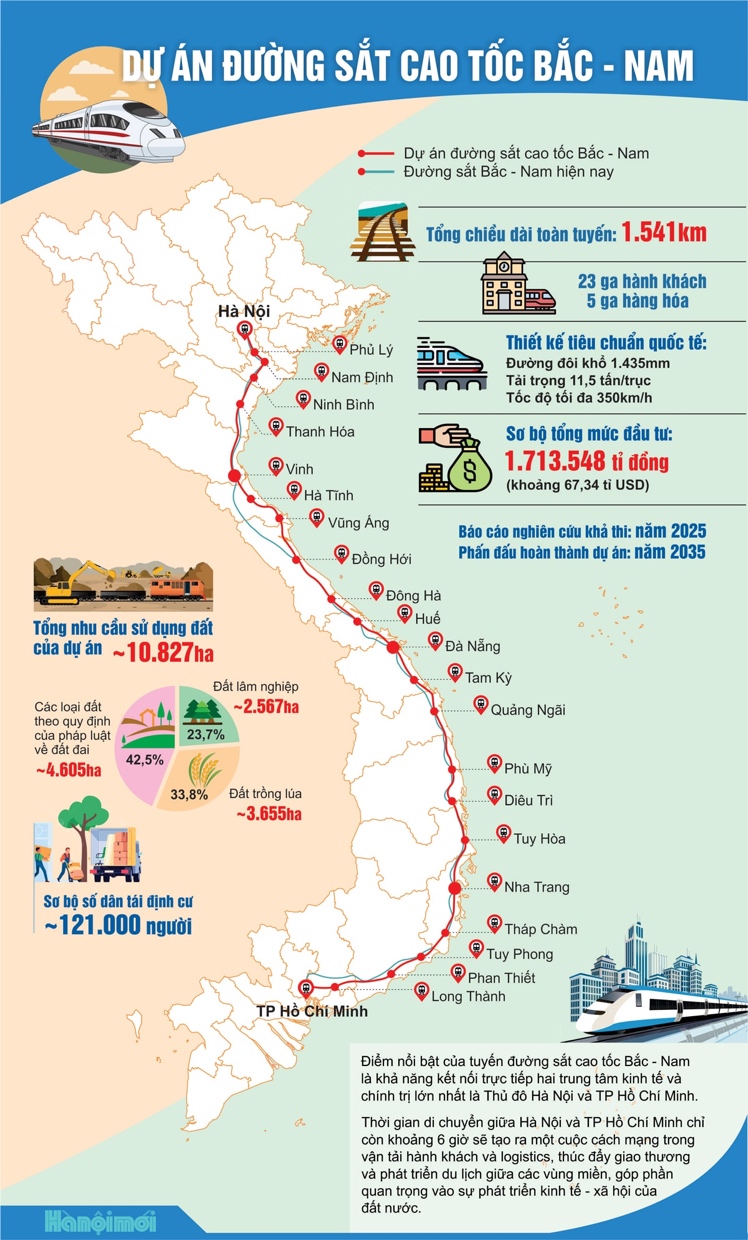
Vietnam Railway Map Source: baothainguyen.vn
The National Assembly further suggested that local governments may use local budgets to support the construction of industrial parks and tech incubators. Investors in these parks must reserve a portion of land (suggested at 20 hectares or 5%) for high-tech private enterprises, SMEs, or innovative startups. These tenants are eligible for a 30% rent reduction for 5 years.
Prime Minister Phạm Minh Chính expressed a goal for Vietnam to have 2 million enterprises by 2030, with at least 20 large corporations participating in global value chains. The aim is to accelerate the private sector’s growth and enhance global competitiveness. By 2045, Vietnam hopes to have at least 3 million enterprises contributing over 60% of GDP.
Want to discuss investment opportunities or related topics in Vietnam? Please contact us:
Tel: +(886) 095 807 2379
Line: vnlandnote
WeChat: vnlandnote
For more updates and insights about Vietnam, please follow us:
Facebook: www.facebook.com/vnlandnote/
WeChat Official Account: hcmc101