- Investment GuidesHome›Residential
Residential
As Vietnam’s economic outlook continues to improve, more and more investors are turning their attention to the country’s rapidly appreciating real estate sector. Naturally, many people are also asking: with Vietnam’s housing market showing strong momentum, and with property prices in Ho Chi Minh City alone having increased by around 21 times over the past 16 years, will prices continue to rise in the future?
Most investment institutions, including the Ho Chi Minh City Real Estate Association (HoREA), believe the answer is yes. Today, we will look at three key factors to explain why the market remains so confident about the future growth of Vietnam’s housing prices.
01 Vietnam’s Overall Economic Outlook Is Improving, Driving Greater Real Estate Demand
In 2020, Vietnam was essentially the only country in Southeast Asia to achieve economic growth. Even on a global scale, Vietnam stood out as one of the better-performing economies.
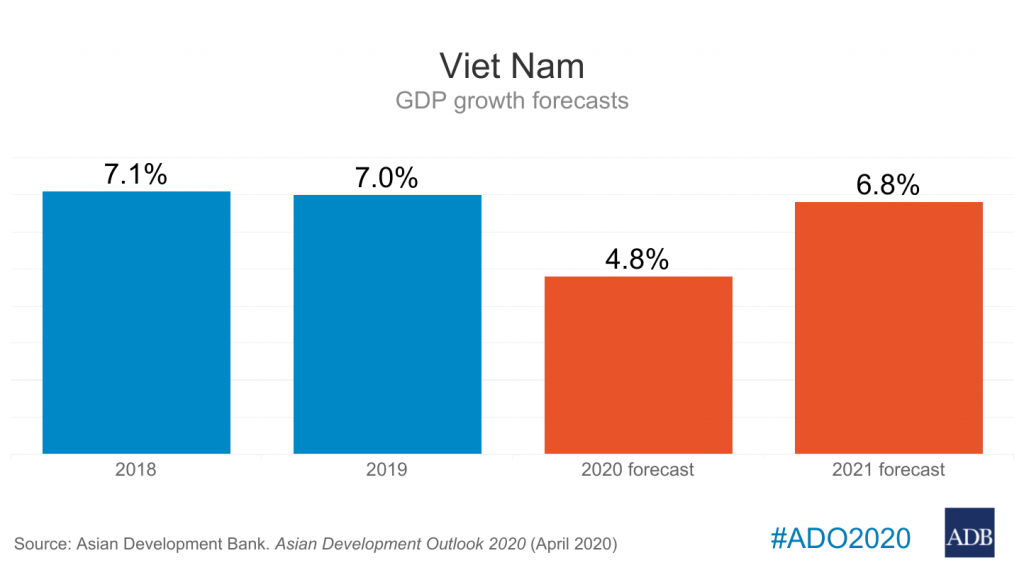
The Asian Development Bank’s GDP growth forecast for Vietnam, released in mid-2020.
Photo source: adb.orgSustained economic growth usually means more domestic development opportunities. First, it helps local people increase their income. As household incomes rise, people naturally become more able to afford larger and better homes. After all, housing is a basic need and an important destination for rising income.
Second, Vietnam’s growth is attracting more foreign investors to lease land, build factories, and invest in property. As many people already know, Vietnam has attracted a large number of international corporations to set up manufacturing facilities in recent years. The growth of this type of demand will inevitably support higher prices for office, industrial real estate!
02 Urban Development Plans Are Improving the Living Environment
According to a report by SSI Research, a gradually improving legal framework and stronger infrastructure investment are expected to become major drivers of the residential real estate market in 2021.
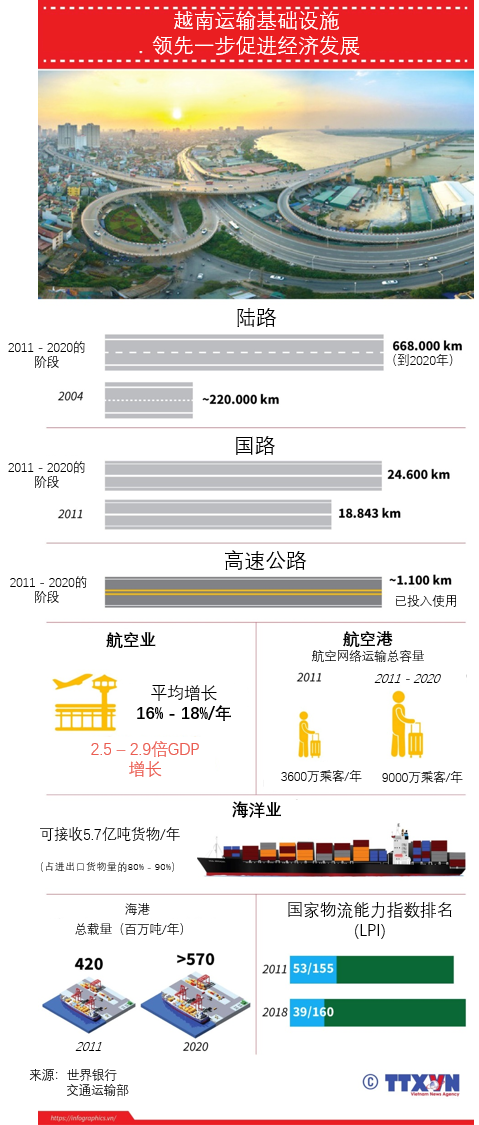
Vietnam’s increasingly developed infrastructure. Photo source: TTXVN
According to data released by local authorities, Vietnam’s public investment disbursement rate reached 96.13% in 2020, the highest level in many years. By comparison, the rate was only 76.75% in 2019.For the 2021–2025 public investment plan, Vietnam allocated a budget of VND 3,500 trillion, equivalent to around USD 152.2 billion. The investment focus includes transportation and energy infrastructure, digital economy projects, digital transformation, science and technology development, innovation, high-quality workforce training, and projects with strong spillover effects.
In addition, as metro lines and urban ring roads in Ho Chi Minh City, Hanoi, and other cities are completed, housing prices along these routes are expected to see further growth.
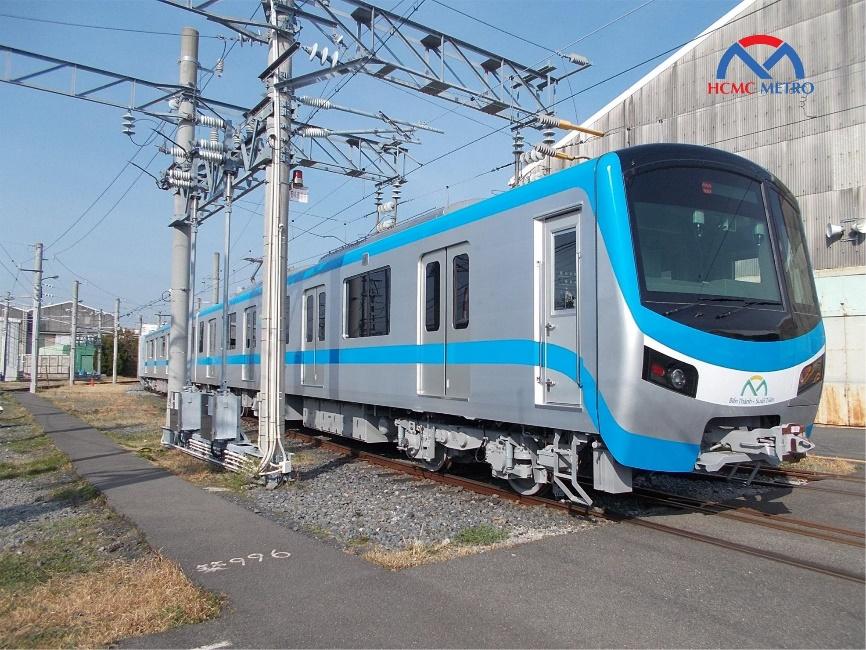 The train body of Ho Chi Minh City Metro Line 1, manufactured in Japan. Photo source: HCMC METRO
03 A New Leadership Team Sends Positive Signals to the Real Estate Market
Mr. Le Hoang Chau, Chairman of the Ho Chi Minh City Real Estate Association (HoREA), has also mentioned that the first factor affecting the recovery and growth of the real estate market in 2021 is the sustainability of economic development.
As 2021 marked the first year of a new leadership term, it was expected to create strong momentum for economic development.Mr. Le Hoang Chau also predicted that in the first quarter of 2021, the government would further improve several provisions of the Law on Investment, the Law on Construction, and related regulations. Policy mechanisms may also be improved in areas such as urban renovation, redevelopment of old apartment buildings, closure and relocation of polluting factories, and apartment operation management. These changes could create stronger conditions for the future real estate market.
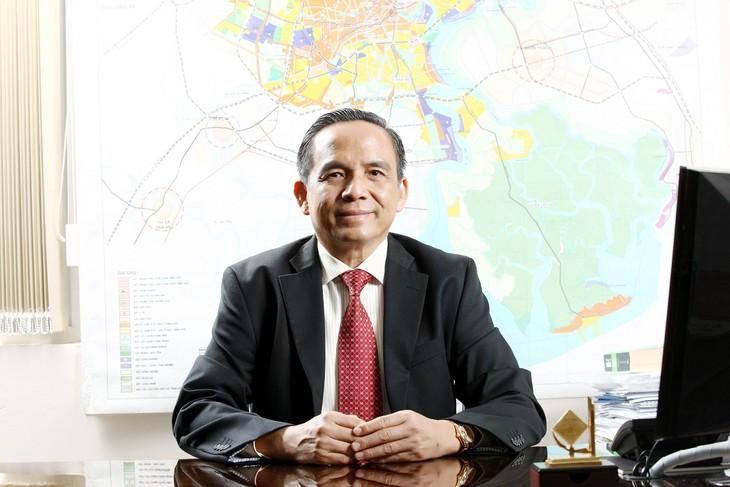
Mr. Le Hoang Chau, Chairman of the Ho Chi Minh City Real Estate Association (HoREA). Photo source: nhadautu.vn
As Ho Chi Minh City’s overall strength continues to grow, not only are the city’s urban districts seeing higher economic standards, but surrounding counties are also benefiting from this rapid development.
04 Five Counties in Ho Chi Minh City May Be Upgraded into Districts
Not long ago, the Ho Chi Minh City Department of Home Affairs proposed to the Ho Chi Minh City People’s Committee that three counties — Nhà Bè, Hóc Môn, and Bình Chánh — be upgraded into urban districts under Ho Chi Minh City during the 2021–2025 period. This would effectively integrate them directly into the city-level administrative area.For the 2025–2030 period, the proposal also includes upgrading Cần Giờ and Củ Chi, with the hope that they too could be integrated into the city-level administrative area.
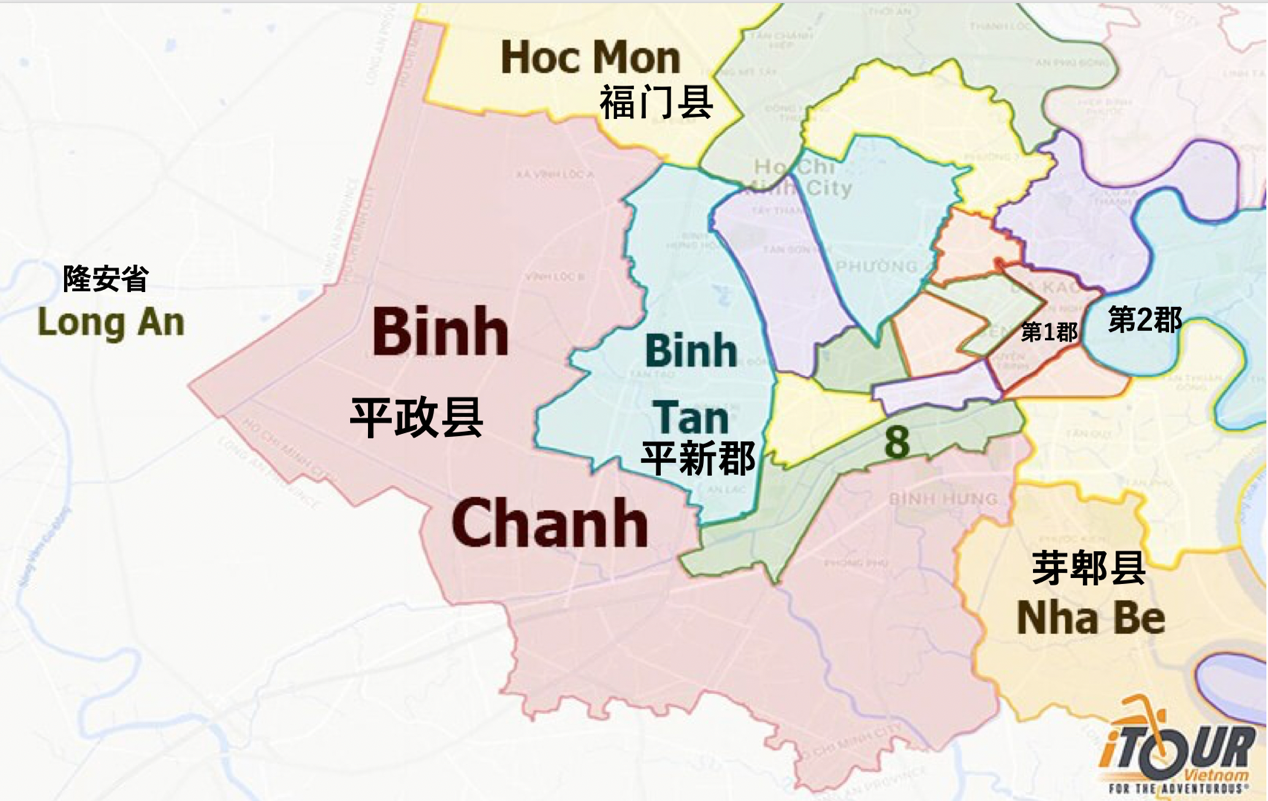
It can be seen that Nhà Bè, Hóc Môn, and Bình Chánh are geographically close to each other. Photo source: itourvn.com
Looking more closely at the current development level of each county, according to a preliminary assessment by local authorities, Hóc Môn covers more than 109 square kilometers and has a population of around 460,000. Its economic development level and infrastructure conditions already meet the standards for being upgraded into a district. Bình Chánh covers more than 252 square kilometers and has a population of around 710,000. Although its economic development is relatively strong, its infrastructure still needs further improvement.Nhà Bè covers more than 100 square kilometers and has a population of around 210,000. However, both its economic development level and infrastructure are still slightly below the standard required for district status.
Overall, however, there is still a strong possibility that these three areas will be successfully upgraded from counties into districts during the 2021–2025 period.
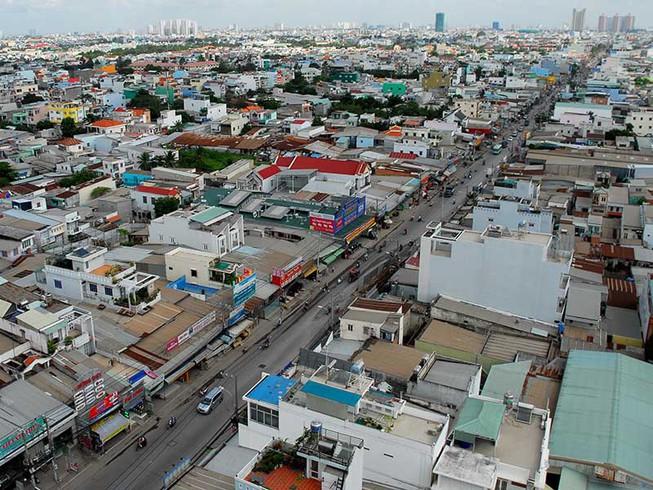
Bình Chánh is considered to be at a medium level among the three counties, and the image also shows that its level of urbanization is relatively developed.
Photo source: cafeland.vnAs soon as this news was released, land and housing prices in these three counties quickly began to rise.
In Hóc Môn, residential land prices have now risen to around USD 1,300–3,000 per square meter. In some areas, land prices increased by around USD 130–170 per square meter compared with the period before the proposal was announced.
By comparison, land prices in Bình Chánh have risen even more significantly. For example, in a residential area called Vĩnh Lộc B, land with a pink book was priced at around USD 1,400–1,500 per square meter at the beginning of the year. Recently, however, the average price has risen to nearly USD 2,600–2,800 per square meter, almost doubling.
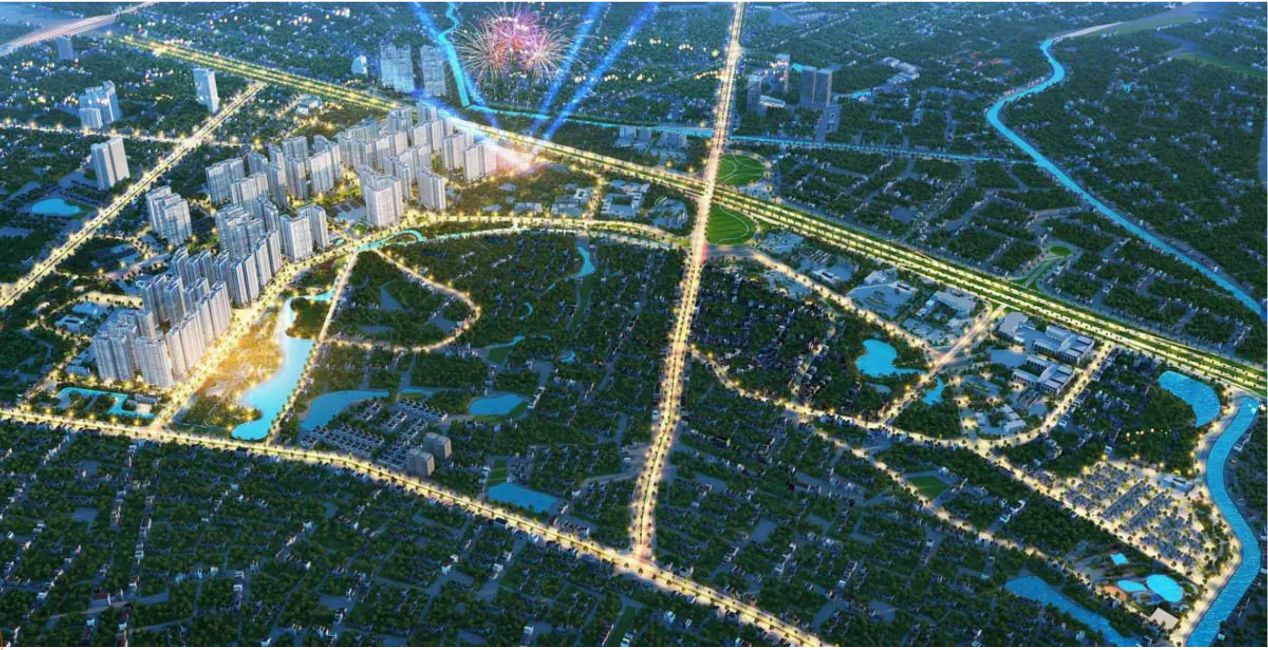
Planning image of Vinhomes’ smart city project in Hóc Môn.
Photo source: danhkhoireal.vnLocal real estate professionals have commented that if these areas are upgraded into urban districts under Ho Chi Minh City, the real estate sector will likely enter a period of strong growth.However, individual and small-scale investors are advised to remain cautious, as the policy has not yet been fully implemented. As land prices rise rapidly, the costs of compensation, site clearance, and relocation for real estate development projects will also increase. Investors should focus more on areas with real infrastructure improvements and genuine living demand.
Want to discuss investment opportunities or related topics in Vietnam? Please contact us:
Tel: +(886) 095 807 2379
Line: vnlandnote
WeChat: vnlandnote
For more updates and insights about Vietnam, please follow us:
Facebook: www.facebook.com/vnlandnote/
WeChat Official Account: hcmc101
Investment Guides
- Contact
-
- Call:(+886) 095 807 2379
- Address:76 Le Lai, Ward Ben Thanh, District 1,
Ho Chi Minh City