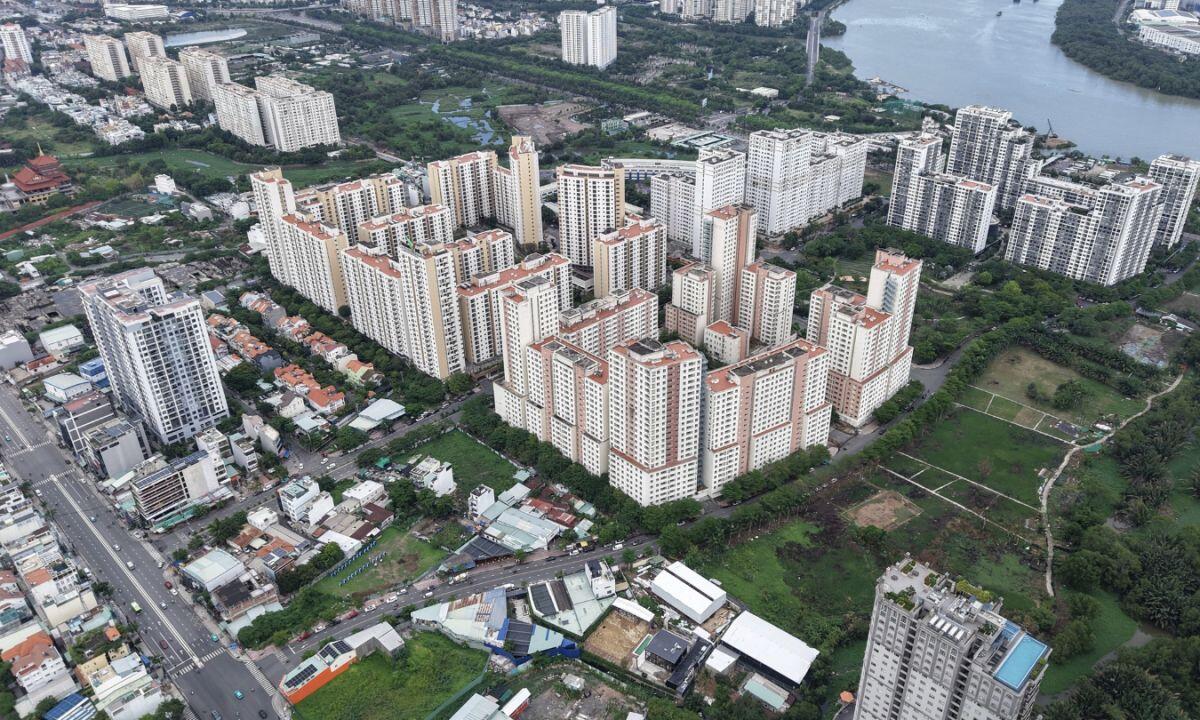
Crossing the Wealth Threshold: Vietnam Officially Becomes an Upper-Middle-Income Country
Vietnam is shedding its long-held image as a low-cost manufacturing base. In July 2026, the World Bank officially reclassified Vietnam as an upper-middle-income country. Together with its strongest economic and industrial performance in recent years during the first half of 2026, the country is advancing steadily toward economic transformation, marking a substantive upgrade in its development model and a stronger role in the regional economy.

Image source: https://vietnamfinance.vn/
Crossing the Income Threshold: A Steady Rise in National Wealth
Vietnam has reached an important milestone in national prosperity. According to the World Bank’s annual income classification, Vietnam has officially entered the upper-middle-income category. This achievement was driven by a steady increase in Gross National Income (GNI) per capita, which surpassed the threshold required for reclassification. Among all economies assessed this year, only a small number advanced to a higher income group.
This progress reflects sustained economic and export growth. Over the past two years, both exports and GDP have maintained strong momentum, while per capita income has grown by around 10% annually over the past five years. World Bank experts consider this one of the most sustainable growth rates in the region. Importantly, the new income classification does not immediately alter Vietnam’s access to international development financing.
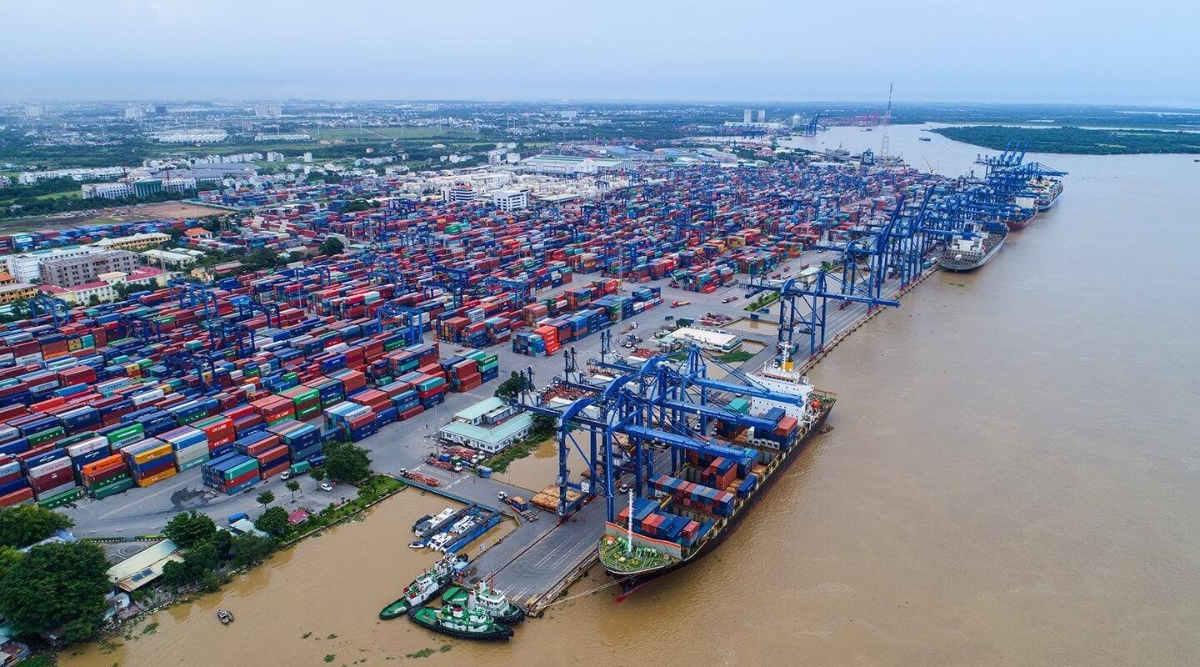
Image source: https://vneconomy.vn/
Macroeconomic Recovery: Strong Momentum in the Second Quarter
Vietnam’s macroeconomic fundamentals have continued to recover. GDP expanded by 8.39% in the second quarter of 2026, lifting first-half growth well above the same period last year.
Industry and services remained the two main pillars of growth, together contributing more than 90% of total economic expansion. Agriculture also maintained stable growth while supporting domestic demand and expanding agricultural exports. Manufacturing was the key growth engine, accounting for roughly one-third of overall economic growth. At the same time, stronger consumer demand stimulated transportation, wholesale, retail, and other market-oriented services.
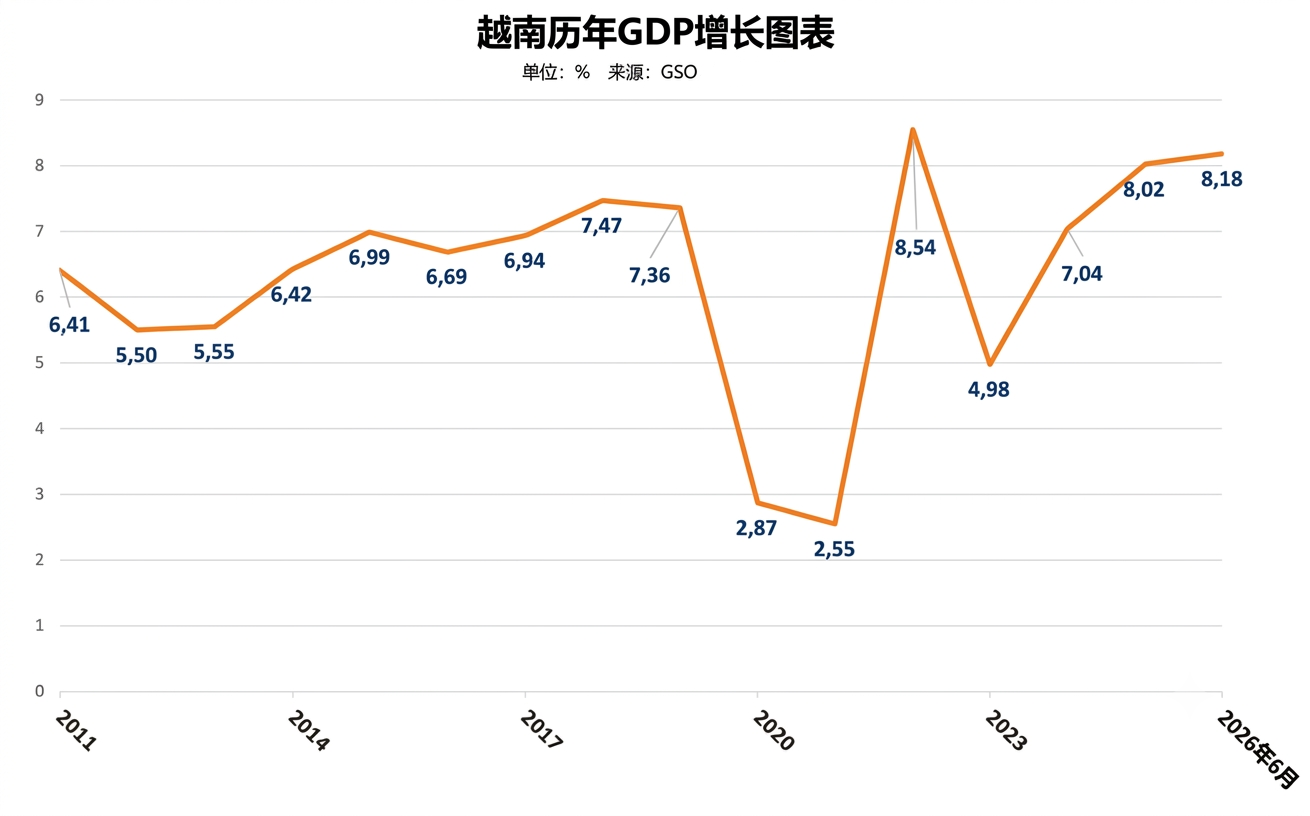
A chart showing Vietnam’s GDP growth over the years. Source: https://vietnambiz.vn/
Industrial Expansion: Manufacturing Hubs Drive Nationwide Growth
Vietnam’s industrial sector entered a clear expansion cycle in the first half of 2026, with the Industrial Production Index (IIP) rising by 10.8%, the fastest pace since 2019. Manufacturing remained the primary driver.
All 34 provinces and municipalities recorded positive industrial growth. Quang Ninh led with 37.8% growth, followed by Ha Tinh (30.7%) and Ninh Binh (27.7%). A few regions experienced slower growth due to weaker mining or electricity distribution activities.
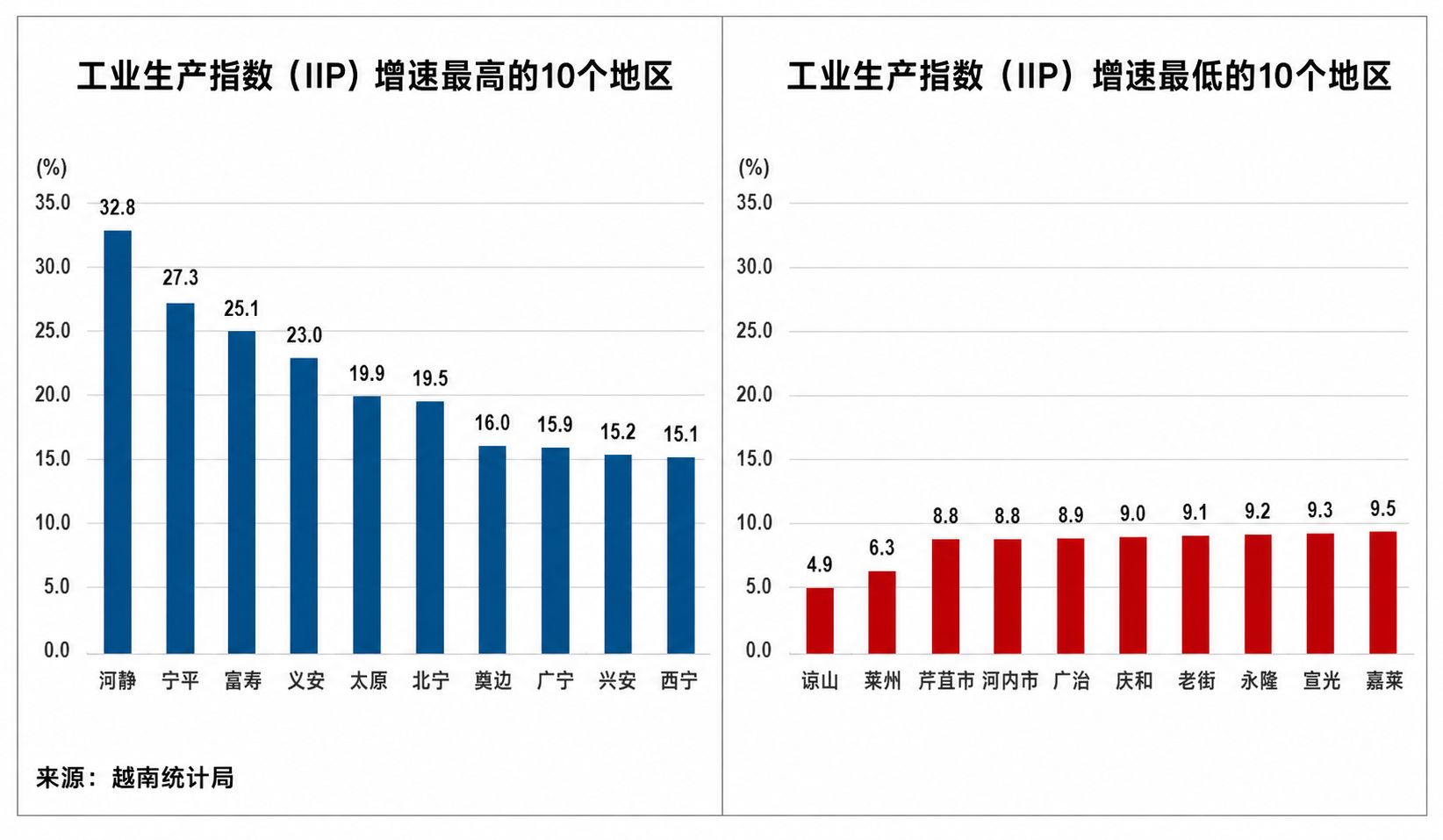
The growth and decline rates of IIP in selected regions in the first half of 2026 compared to the same period last year (%). Source: https://vietnambiz.vn/
Employment demand also recovered alongside industrial growth. Key industries such as metal products, motor vehicles, and beverages all achieved double-digit growth. Increasing factory orders supported continued hiring by both domestic industrial firms and foreign-invested enterprises.
Outlook: Advancing Toward a Modern Industrial Economy
The combined strength of domestic consumption and international trade is accelerating Vietnam’s economic expansion. During the first half of the year, final consumption recovered steadily, while total imports and exports increased significantly.
International financial institutions remain optimistic about Vietnam’s short-term outlook. The World Bank and major commercial banks expect strong full-year growth and believe the country has solid resilience against external risks. A stable macroeconomic foundation will continue to support sustainable development.
Becoming an upper-middle-income country is only one milestone in Vietnam’s long-term development strategy. The government aims to become an upper-middle-income country with a modern industrial base by 2030 and a high-income developed economy by 2045. Through continued industrial upgrading and prudent economic policies, Vietnam is steadily strengthening its position in the global economy.
Want to discuss investment opportunities or related topics in Vietnam? Please contact us:
Tel: +(886) 095 807 2379
Line: vnlandnote
WeChat: vnlandnote
For more updates and insights about Vietnam, please follow us:
Facebook: www.facebook.com/vnlandnote/
WeChat Official Account: hcmc101