HCMC “Wipes Out” Super Thin Houses
Ho Chi Minh’s officials have decided to acquire more land on both sides of the infrastructure and resolve the resettlement and auction issues by putting an end to super-thin houses along the two sides of the project.
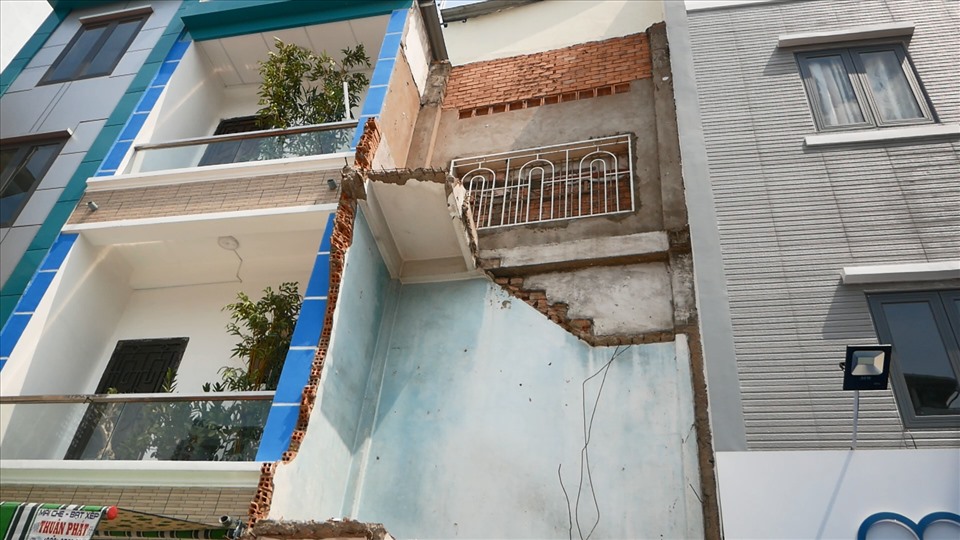
According to the City Department of Construction, the super-thin or weird-shaped houses started when the city implemented road expansion projects.
Statistics show that the city currently has over 1,000 micro-sized houses as a result of road surface expansion projects and infrastructure investment.
Mai Van Thuan, Head of Urban Management Division of Tan Binh District, said that the super-thin houses emerged from post-liberated areas. The owners restored them according to the old condition and were not permitted to build new construction or increase floor areas. If the owners want to merge the blocks with neighboring apartments, the District People’s Committee will establish the most suitable conditions for granting construction permits to neighboring households.
The Land Fund Development Center claimed that the current land management is inefficient because of incomplete and inadequate management tools, making the state and people unable to actively control the process of creating land value increases by investment, as well as dealing well with the distribution of the benefits from this added land value.
Recently, HCM City People’s Committee approved the project “Land management and effective land use in Ho Chi Minh City” by the Department of Natural Resources and Environment. The project offers many new solutions to resolve land management issues in the city, including abolishing super-small and super-thin houses.
Specifically, Ho Chi Minh City will acquire more land on both sides of the infrastructure to carry out on-site relocation for people whose land is purchased, both those who have land within the infrastructure and those who have land adjacent to the infrastructure. Each of them will receive a smaller land area inversely proportional to the increase in land price by infrastructure. The city will re-plan the two sides of the infrastructure and the excess land will be auctioned to collect money for implementation.
This initiative should be consulted with the community of those whose land is acquired. The plan will be approved if the majority agrees with it. The minority of people who disagree will have two choices: either to accept the plan or to have the land expropriated by the state. This is called “majority community agreement”, ensuring the highest fairness and saving investment and development costs.
Want to discuss investment opportunities or related topics in Vietnam? Please contact us:
Tel: +(886) 095 807 2379
Line: vnlandnote
WeChat: vnlandnote
For more updates and insights about Vietnam, please follow us:
Facebook: www.facebook.com/vnlandnote/
WeChat Official Account: hcmc101